
Dir: James Lucas, UK/New Zealand, 2025, 99 mins
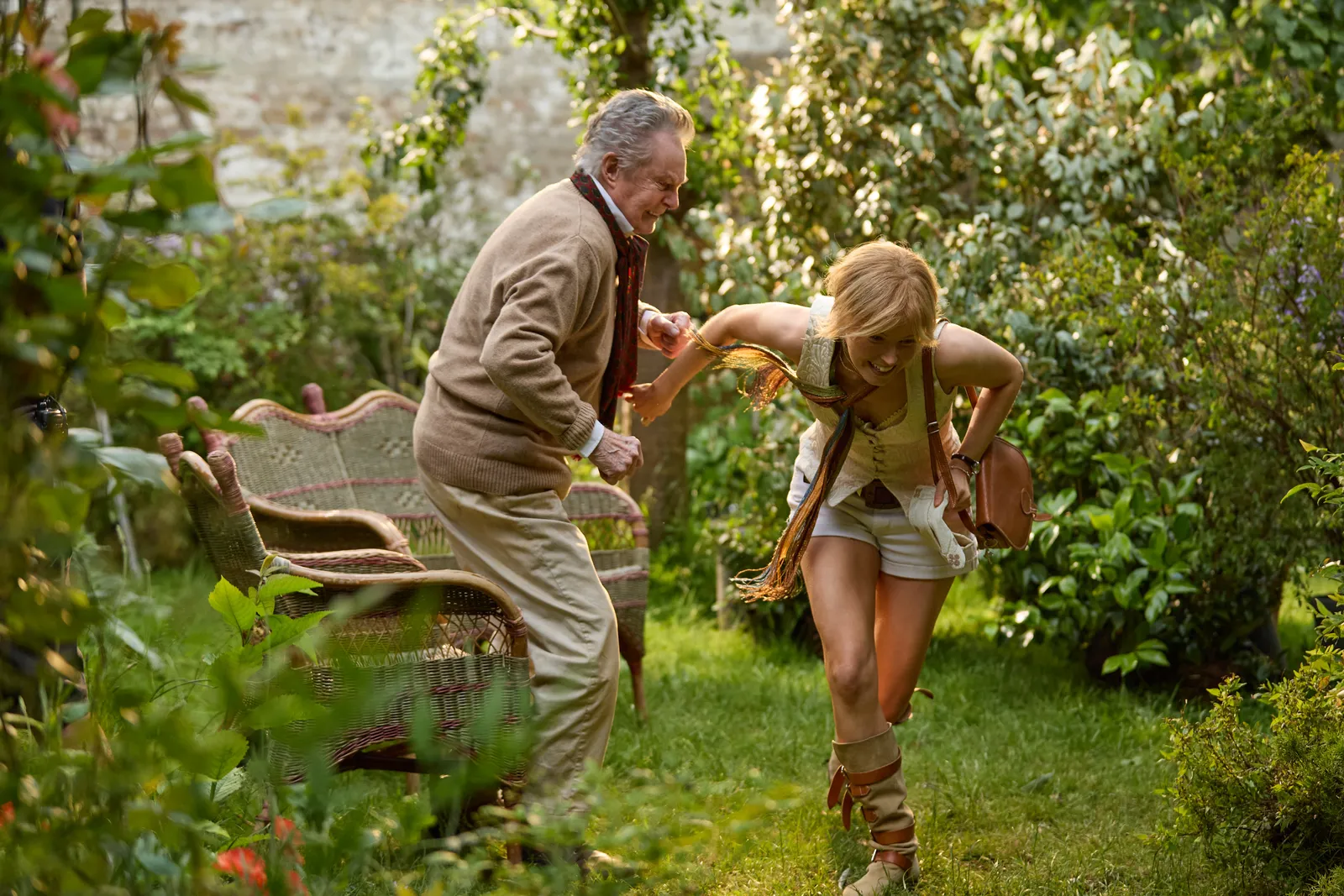
Cast: Kate Moss, Derek Jacobi
Review by Carol Allen
Ellie Bamber convinces as Moss, though I admit I haven’t followed Moss’s career in great detail. She’s very pretty, lively and has a perfect body, which she displays with enviable self confidence. It may be blasphemy to say so but Freud’s portrait doesn’t do justice to it – not that we get a really good look at the painting in the film. I’m not an art critic but to be fair, the portrait artist’s aim is usually not to create a photographic likeness but to communicate his artistic vision of the subject.
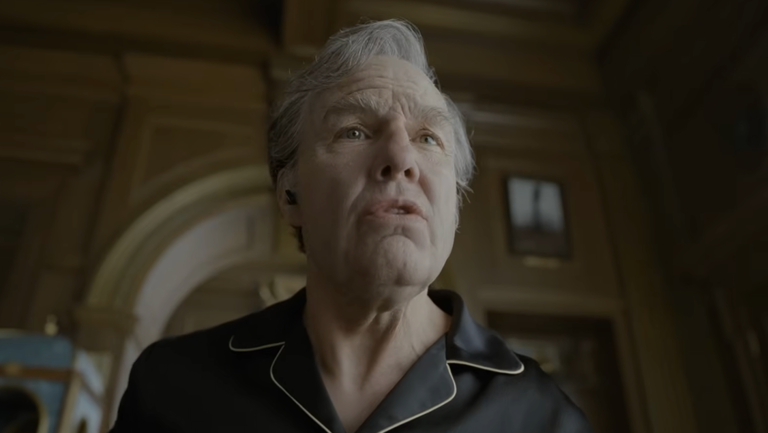
Jacobi is inevitably good. You get the feeling of a man with a lot of history behind him, though he brought more passion to his previous role of fellow artist Francis Bacon in John Maybury’s Love Is the Devil in 1998. Here he is somewhat benignly grandfatherly, though with the odd touch of acid in his soul.
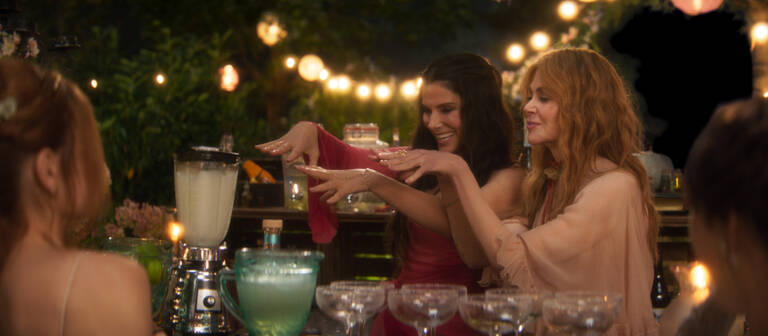
There were rumours at the time of a possible May and December romance between the 80 year old painter and the 28 year old model, but as Moss is the producer of the film, anyone expecting salacious details of any such affair is going to be disappointed. As shown here, It’s more like the relationship between an elderly uncle and his niece. There is however an interesting sequence at Kate’s birthday party, where we see them dancing together. Is this reality or is it his fantasy? That same sequence shows a harder and less likeable side of the couple too, when they both totally ignore Freud’s fashion designer daughter Bella (Jasmine Blackborow), who was after all the one who introduced them to each other.
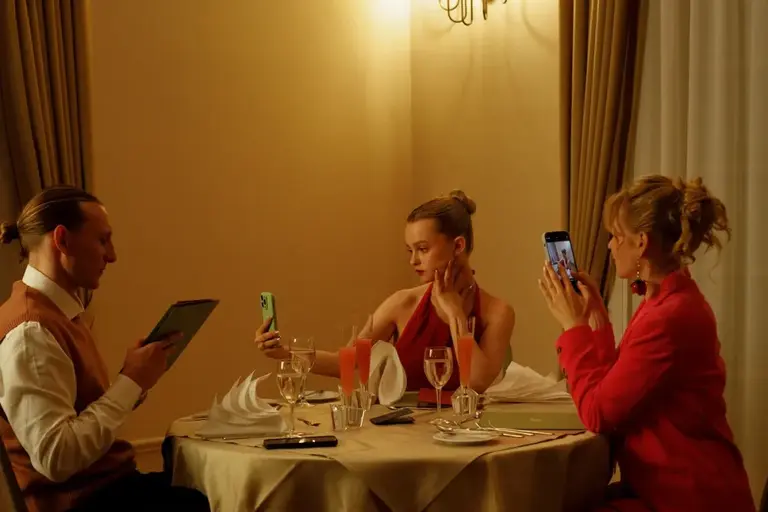
More obviously sexual is Will Tudor as journalist Jefferson Hack, who later became Moss’s partner. In an amusing scene where they first meet and he is interviewing her for his magazine, his interest in her is very obviously personal rather than journalistic.
With regard to throwing overall light on the relationship between portrait painters and their sitters, one of the opening sequences of the film is set in the National Gallery, where director Lucas uses some very effective closeups taken from the gallery’s portrait collection over several periods to make some interesting points about how various artists have viewed their subjects.




About the Author