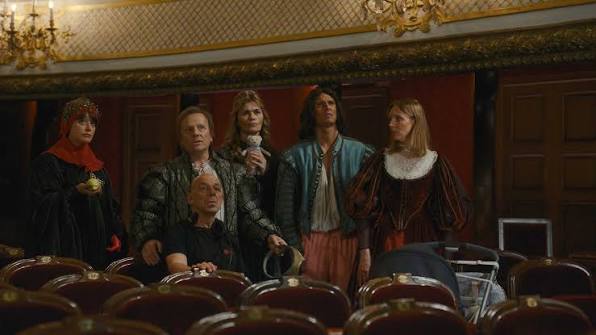
French with subtitles Cast: Pauline Clément, Laurent Stocker, Julien Frison, Marina Hands Review by Carol Allen
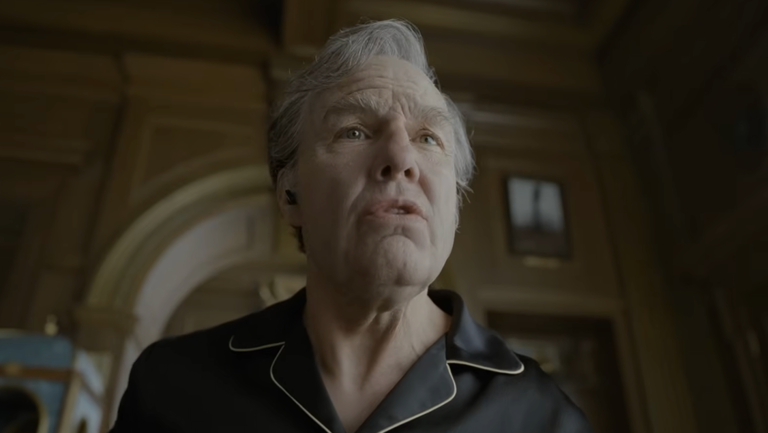
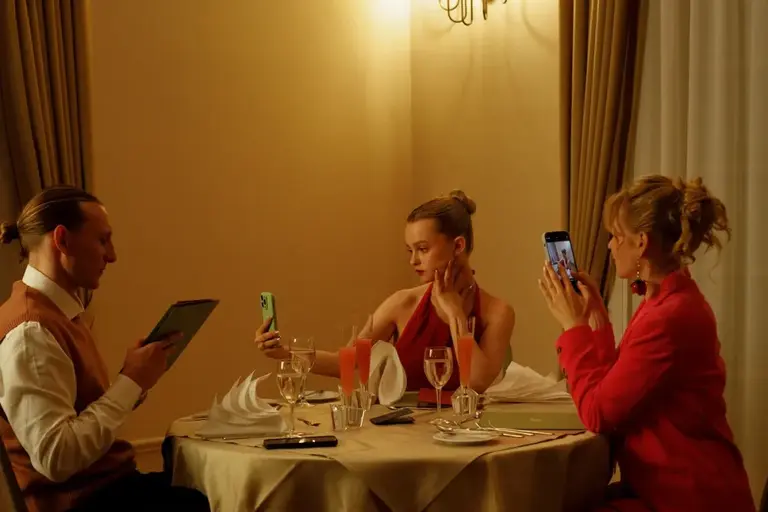
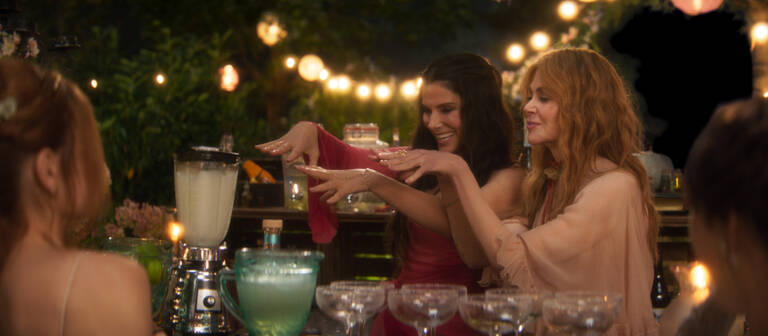
Actress turned first time director Nina (Pauline Clément) arrives at theatre for the final technical rehearsal of her first production Macbeth. The jobsworth stage door keeper sets the comedy tone by refusing to let her in because she hasn’t got her security pass – even though he sees her every day. Once that hurdle is out of the way, in the three hours before the curtain is due to rise and with the Minister for Culture due to attend, all sorts of comic hell breaks loose.
There’s the stroppy leading man (Laurent Stocker), who doesn’t like taking direction from a woman: his partner and the actor playing Duncan who are having sex in the dressing room while running over their lines and a stage manager (Christian Hecq) who delights in telling Nina whatever effect she wants him to produce, can’t be done – and then saying in that contemptuous way some of us know so well: “Well, you’re the director”. Nina’s biggest problem though is that her Lady Macbeth is moonlighting on a tv series which is shooting way out of town and can’t possibly get back in time for curtain up. So in addition to her directing duties, Nina is going to have to go on in her place. Oh, and then there’s the cherry on the cake – her ex dumps their baby son onto her on his way to an out of the country gig.
Clément carries the film with lots of support from a brilliantly funny cast, which also includes Julien Frison and Marina Hands as the naughty lovers, Sefa Yeboah as a young usher who dreams of being an actor and knows the play better than some of the cast and Danièle Lebrun, delightful as an elderly actress who enjoys smoking a joint before the show and reminiscences about how back in the seventies the company were all high on magic mushrooms. There’s even a contribution from the ghost of Moliere (Benjamin Lavernhe), annoyed that Nina is putting on a play by that upstart Shakespeare rather than one of his and reminding us without getting too academic about it of the history and tradition of the Comédie-Française itself. On which note stay for the end credits. There’s a final joke.
Now if the National Theatre or the RSC were to do something similar, that would be fun.




About the Author